


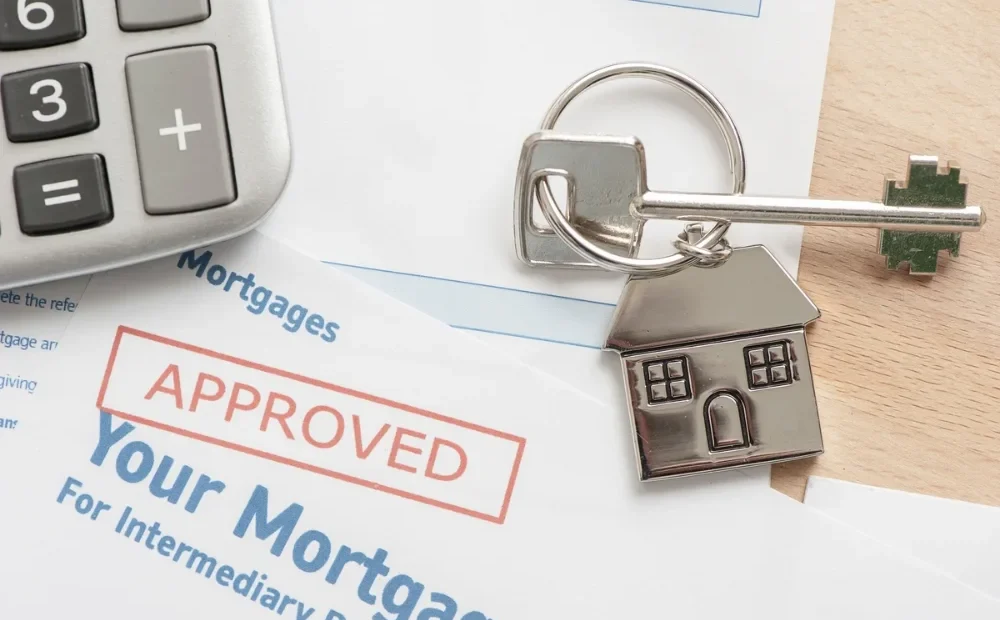
When it comes to buying a home, many factors can effect your ability to secure a mortgage. Among them, your credit score plays one of the most critical roles. Whether you’re applying for your first mortgage or refinancing an existing one, your credit score is a direct reflection of your financial trustworthiness—and lenders use it to assess how risky it is to approve your mortgage loan.
In this article, we’ll explore how your credit score affects mortgage approval, why it matters, and what you can do to improve it to increase your chances of securing the best deal.

What Is a Credit Score?
A credit is a three-digit number that summarizes your credit history and behavior. It typically ranges from 300 to 850. This number is calculated based on various financial factors, including:
- Payment history
- Amounts owed (credit utilization)
- Length of credit history
- Types of credit in use
- Recent credit inquiries
The higher your score, the better your chances of being accepted for a mortgage with favorable terms.
Why Do Lenders Care About Credit Scores?
Lenders use your credit score to fix the level of danger involved in lending to you. A higher score indicates that you’re financially responsible & likely to repay your loan on time. Conversely, a lower score may signal that you’ve had trouble managing credit, making lenders more cautious.
Your credit score influences not just whether you get approved, but also:
- The interest rate you’re offered
- The loan amount you qualify for
- The type of mortgage products available to you
- Whether you need a larger down payment or additional documentation
Credit Score Ranges and Their Impact
Here’s a general breakdown of how credit scores affect mortgage eligibility:
1.Excellent (750–850):
You’re in a strong position. You’re likely to be approved quickly and enjoy low interest rates and flexible terms.
2.Good (700–749):
Approval is still likely with favorable interest rates. Some lenders may offer premium mortgage products.
3.Fair (650–699):
You may still be approved, but you might pay a slightly higher interest rate. Lenders could ask for more documentation or a higher down payment.
4.Poor (600–649):
You’ll face limited options, and the terms may not be favorable. Approval is possible but difficult.
5.Very Poor (<600):
Mortgage approval is unlikely unless you apply with a co-signer or seek assistance from specialized lenders.
Find out more-What Documents Are Needed to Apply for a Mortgage Loan for Residences?
How It Affects Interest Rates
Your credit score straight impacts the interest rate on your mortgage. For example:
- A borrower with a score of 780 may qualify for a 4.5% interest rate.
- A borrower with a score of 620 may only qualify for a 6.5% interest rate.
That difference can translate into tens of thousands of dirhams over the life of a 20-year mortgage. Simply put: a higher credit score saves you money.
How It Affects Loan Amount and Approval
If you have a high credit score, lenders are more confident in your repayment ability, meaning you may qualify for:
- A higher loan amount
- Lower down payment requirements
- More mortgage product options
On the other hand, a lesser credit score can lower how much you can borrow and might require you to pledge additional collateral or find a guarantor.
How to Improve Your Credit Score
Improving your credit score takes time & consistent effort, but it’s worth it if you’re planning to apply for a mortgage. Here are some tips:
- Pay Bills on Time:Payment past is the most significant factor in your credit score. Late or missed expenditures hurt your score significantly.
- Reduce Outstanding Debt:Goal to keep your credit use ratio under 30%. Pay off high-interest credit cards and loans to reduce your overall debt burden**.**
- Avoid Opening New Credit Accounts:Each credit inquiry slightly lowers your score. Avoid taking on new loans or credit cards before applying for a mortgage.
- Check Your Credit Report for Errors:Incorrect data or fraudulent activity can negatively affect your score. Always review your credit report and dispute any inaccuracies.
- Maintain Long Credit Histories:Keep older accounts open and active. The length of your credit history helps boost your score.
When to Check Your Credit Score
Earlier applying for a mortgage, check your credit score at least three to six months in advance. This gives you time to address any issues or make improvements. Many financial institutions and credit bureaus in Dubai offer free or low-cost access to your credit score and report.

Final Thoughts
Your credit score isn’t just a number—it’s a financial passport that opens or closes doors when it comes to mortgage approval. By understanding its importance & taking proactive steps to manage it, you can recover your chances of not only getting accepted for a mortgage but also securing the best possible deal.
If you’re planning to buy a property and want professional guidance to navigate mortgage approvals with ease, Hateem Mortgage Brokerage is your trusted partner for tailored, credit-friendly mortgage solutions in Dubai.